By Baptiste Murier, antique and second-hand dealer in Île-de-France.
The Saint-Ouen flea market, on the northern edge of Paris, is the largest gathering of antique dealers and second-hand dealers in the world. It draws seasoned collectors, international decorators and casual visitors alike, and this vast urban area covers several hectares. Contrary to a common belief, the Saint-Ouen flea market is not one uniform open-air sale. It is a patchwork of a dozen separate markets, each with its own atmosphere, its own lanes and its own trade specialities.
Browsing at Saint-Ouen takes time and a little planning beforehand. Here are the key points to prepare your visit, understand how the different markets are organised and know how to approach the valuation of antique pieces.
Which markets make up the Saint-Ouen flea market?
So as not to get lost among the aisles, it helps to tell apart the historic sections that line the rue des Rosiers and its side streets.
Marché Vernaison: where it all began
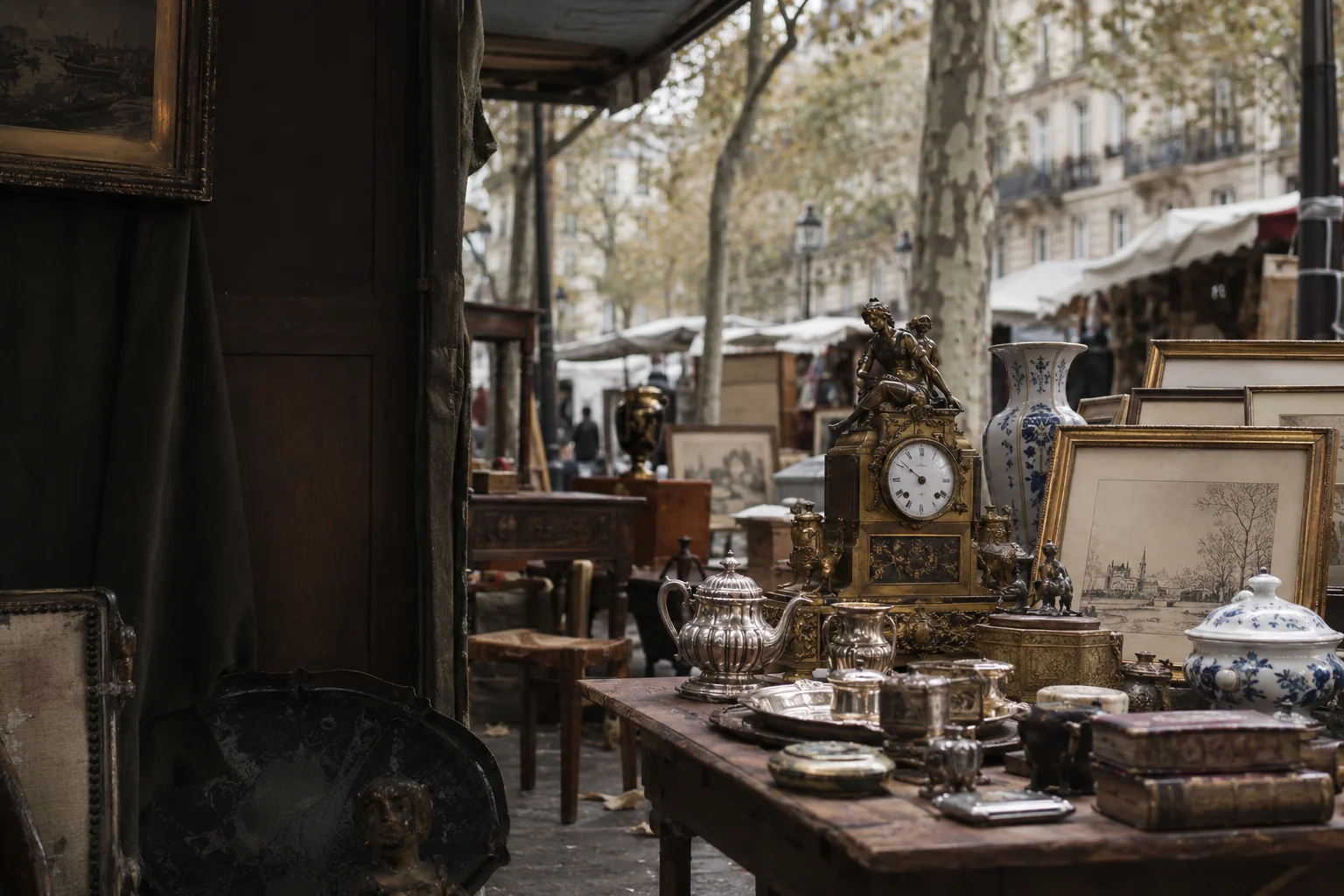
Founded in the early 1920s by Romain Vernaison, this market keeps the feel of the old cobbled lanes and wooden huts. It brings together more than two hundred dealers offering curiosities, antique lighting, glassware, tableware, silverware, mechanical clocks and small regional furniture. It is the ideal place to find an unusual decorative piece, a period poster or folk art utensils, without necessarily looking for a museum piece.
Marché Paul Bert Serpette: design and grand decoration
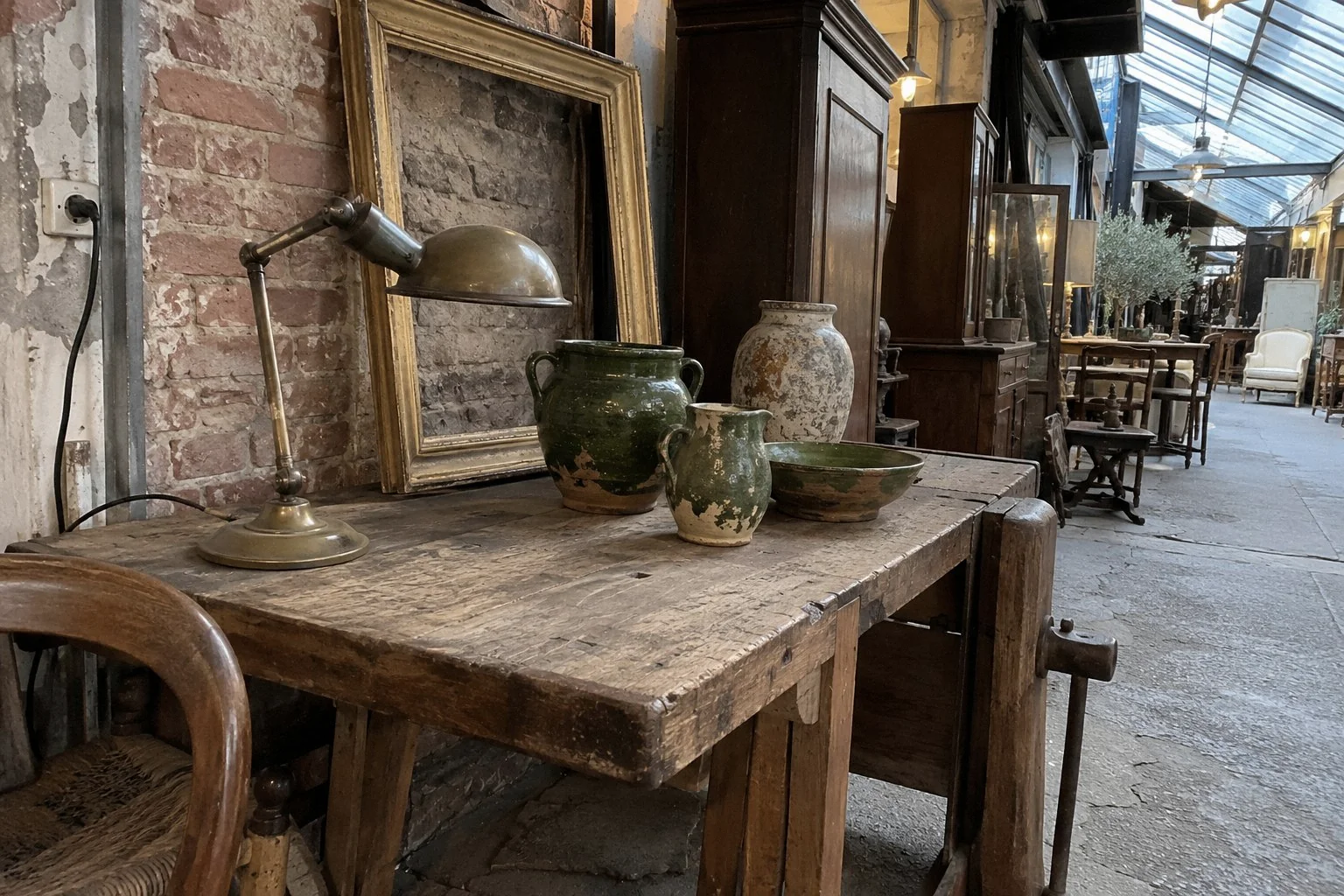
Paul Bert and Serpette are the beating heart of high-end antique hunting. Paul Bert, largely open-air, is laid out along aisles lined with shops with plant-covered fronts. Here you can admire furniture from the 1950s to the 1970s, modernist lighting, work by well-known ceramicists and restored industrial pieces. Serpette, fully covered and air-conditioned, houses galleries specialising in 20th-century design, large bronzes, signed silverware, fine antique luggage and collectors' watches. It is the favourite meeting point for decorators and foreign collectors.
Marché Biron: classical art and fine period furniture
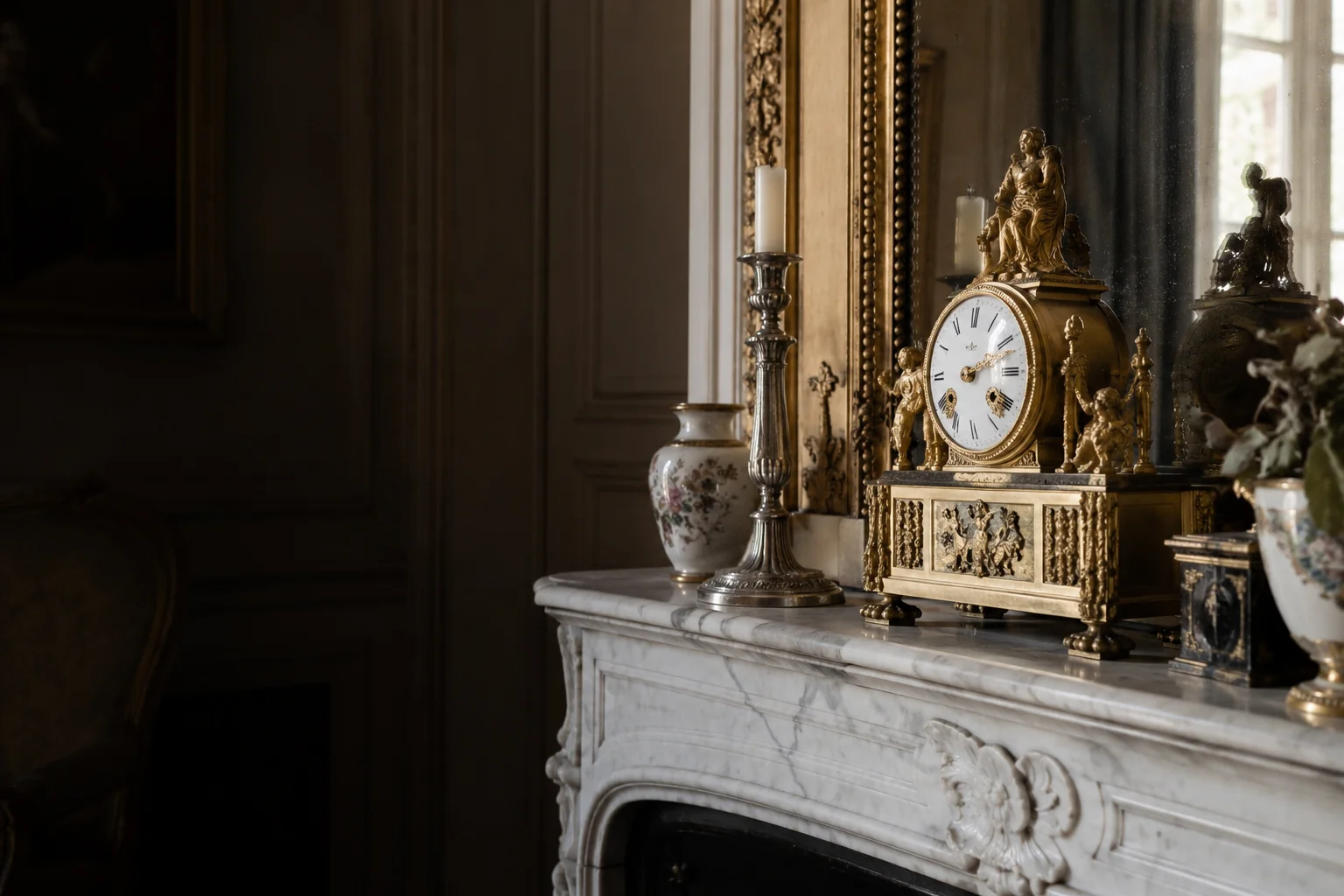
The Marché Biron is known for its two long, straight galleries housing classical antiques of great rigour. Dealers show French furniture from the Louis XIV, Louis XV and Louis XVI periods, stamped marquetry chests of drawers, gilt chairs, carved wooden console tables, marble sculptures and old master paintings from the 18th and 19th centuries. Standards of authenticity and condition are especially high here.
Marché Dauphine: antique books, vintage and textiles
Opened in the early 1990s, Dauphine is easy to spot thanks to its large metal structure in the style of Baltard. The ground floor brings together dealers in 18th-century furniture, Scandinavian design and all kinds of curiosities. Upstairs, a whole area is given over to antiquarian booksellers, specialists in collectable comics, film photography, vinyl records and vintage clothing from well-known fashion houses.
What other markets are there?
Around these four pillars are other markets with a strong character of their own:
- The Marché Jules Vallès, known for keeping the spirit of popular bargain hunting and unusual objects.
- The Marché Malik, historically focused on clothing and second-hand clothes.
- The Marché de l'Entrepôt, devoted to very large decorative pieces, château ironwork and monumental wood panelling.
Saint-Ouen flea market opening hours and days
A key feature of Saint-Ouen is its weekly calendar:
- Saturday: open from 9 am to 6 pm. This is the busiest day, when every shop opens its doors.
- Sunday: open from 10 am to 6 pm. Crowds are often families in the middle of the afternoon.
- Monday: open from 10 am to 5 pm or 6 pm depending on the aisle. This day is particularly quiet and popular with connoisseurs and professionals who want to look at objects calmly, without the weekend crowds.
- Friday morning: generally reserved for trade unpacking and deals between dealers.
In July and August, some dealers take their annual holidays: the market stays open, but a few shutters remain down.
How do you get to the Saint-Ouen flea market?
Located in the town of Saint-Ouen-sur-Seine, on the border of the 18th arrondissement of Paris, the site is easy to reach by public transport:
- Metro line 4, terminus Porte de Clignancourt: cross the ring road (the périphérique) along the avenue de la Porte de Clignancourt to the rue des Rosiers (about 6 to 8 minutes on foot).
- Metro line 13, Garibaldi station: walk east to the rue des Rosiers. A handy alternative that avoids the area right next to the ring road.
- Metro line 14, Mairie de Saint-Ouen station: a fast link from central Paris, followed by a walk of about twelve minutes or a short bus ride.
- By bus: lines 85, 95 and 137 serve the area around the markets.
- By car: there are several paid underground car parks on the rue des Rosiers and the avenue Michelet. Traffic at weekends is often very heavy, so public transport is recommended.
How to browse well at Saint-Ouen: our tips
Successful antique hunting relies on observation, curiosity and a few simple professional habits:
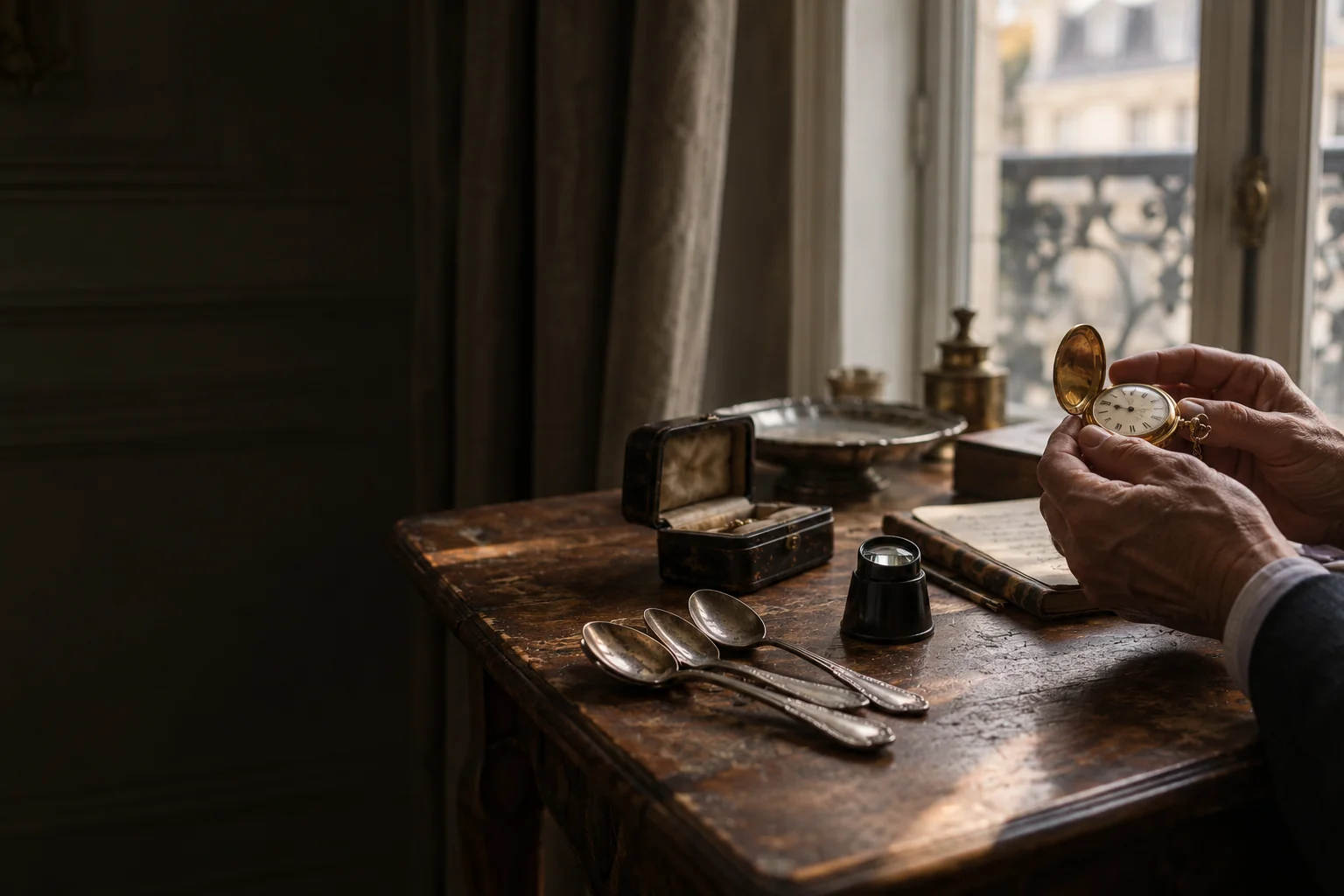
- Look closely at the materials: take time to examine the back of a painting, the bottom of a drawer in a chest of drawers, old tool marks on an oak panel or hallmarks on a piece of silverware. Genuine signs of use are easy to tell apart from artificial patina applied recently.
- Ask the dealers questions: the antique dealers of Saint-Ouen are enthusiasts with a deep knowledge of objects. Ask them about the provenance, any restoration and the history of the piece. This exchange lets you learn and confirm the technical features of the item.
- Plan how you will pay and transport your purchase: most galleries accept bank transfers and cards, but some small bric-a-brac stalls prefer other methods. If you are thinking of buying a large piece of furniture, many specialist carriers have permanent offices on site to arrange delivery within the Ile-de-France or abroad.
Saint-Ouen or the Puces de Vanves: what is the difference?
Saint-Ouen and the Puces de Vanves are often compared. They are not rival markets but complementary experiences:
- Saint-Ouen is a huge network of permanent galleries, under roofs or arcades, dominated by large furniture, bulky pieces and grand decoration.
- The Puces de Vanves, in the 14th arrondissement in the south of Paris, is an open-air morning pavement market. Every weekend, dealers lay out small and medium-sized objects: antique clocks, household silver, antique jewellery, drawings, display bronzes and collectable coins.
It is at Vanves that Baptiste Murier runs his stand every Saturday and Sunday morning, to talk with visitors and examine pieces brought in by private owners.
Selling or getting family objects valued
Many people visit Saint-Ouen hoping to sell furniture or ornaments from an inheritance. Some Saint-Ouen dealers do occasionally buy remarkable pieces that match their speciality exactly, but moving bulky furniture to the flea market with no guarantee of a sale is risky and tiring.
For a reliable antiques valuation, an estate inventory or a plan to sell your antiques, the most effective approach is to call on a professional who comes directly to your home. By first sending a few clear photos by message, on WhatsApp at 06 24 56 38 58 (+33 6 24 56 38 58 from abroad), you get a detailed first opinion before arranging a visit at home with complete peace of mind.